
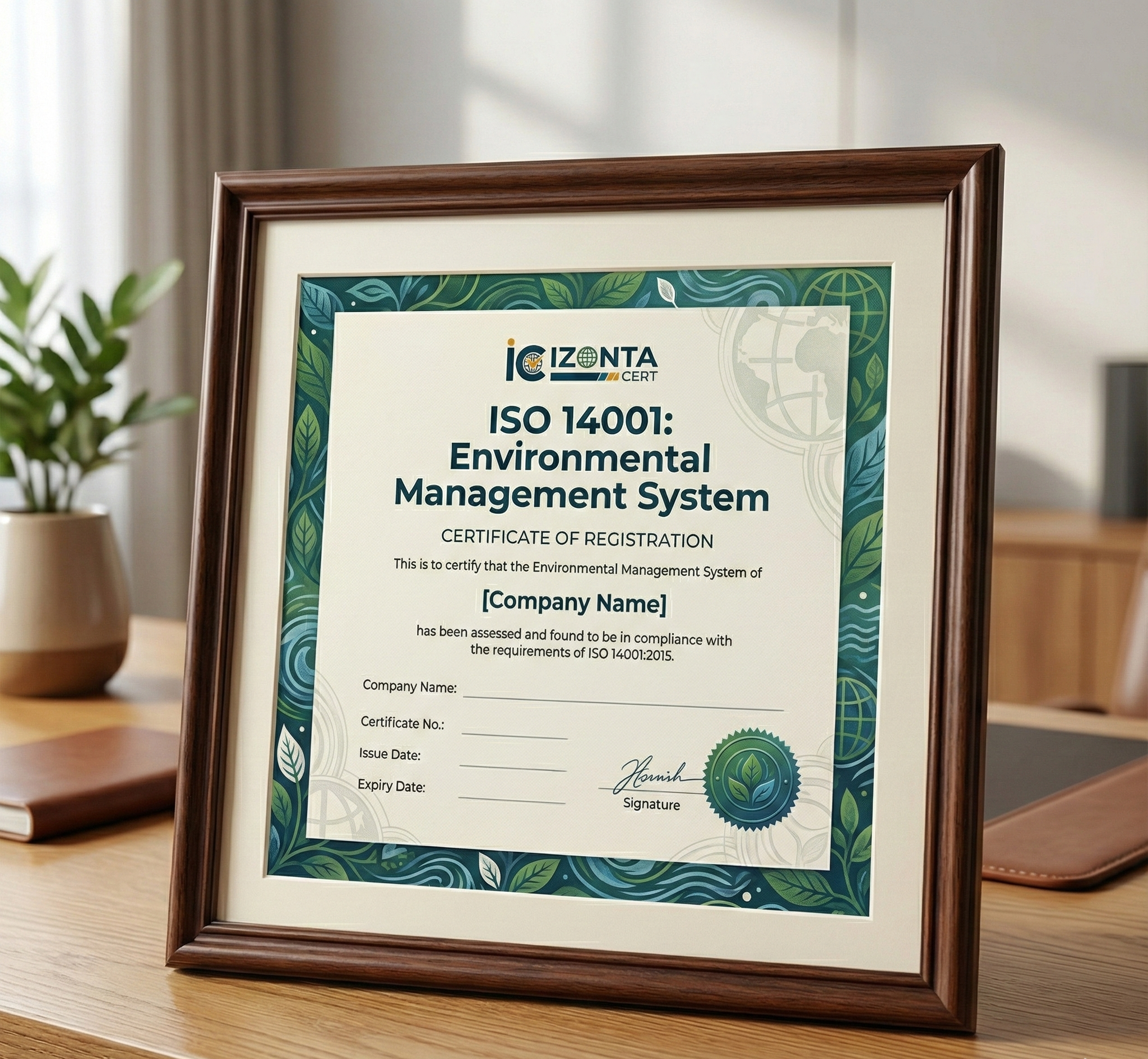
ISO 14001 is one of the most important international standards for developing environmental management within organizations.
This standard helps companies align their activities with current environmental legislation.
Furthermore, it contributes to improved environmental performance and the effective reduction of potential risks.
In addition, the standard enhances the organization’s image with customers and increases trust and sustainability.
Therefore, implementing ISO 14001 is a strategic step towards a more responsible and efficient future.
What is ISO 14001?
First, it should be emphasized that ISO 14001 is an international standard developed by the International Organization for Standardization (ISO) to ensure effective environmental management.
This standard helps organizations reduce the environmental impact of their operations sustainably.
In addition, it provides a flexible framework for pollution management and the efficient use of natural resources.
In other words, the system enables organizations to manage waste and enhance environmental performance systematically.
Thus, the standard aims to ensure that organizations comply with applicable environmental laws and regulations. History of ISO 14001 Environmental Management System
The first version of the ISO 14001 standard was released in 1996 to standardize environmental practices globally.
Subsequent updates have been introduced to address the growing environmental challenges worldwide.
In 2004, a more comprehensive update was released to facilitate the standard’s implementation within organizations.
This version also enhanced companies’ ability to integrate the system with other management systems.
The ISO 14001:2015 version focused on risk management and strengthening environmental governance.
In addition, the latest version more clearly integrated the principles of innovation and sustainability.
Thus, the current version represents a flexible framework that accurately reflects the requirements of the contemporary environment.